Your 3 P.M. Crash Might Be Boredom in Disguise (and Coffee Won't Fix It)

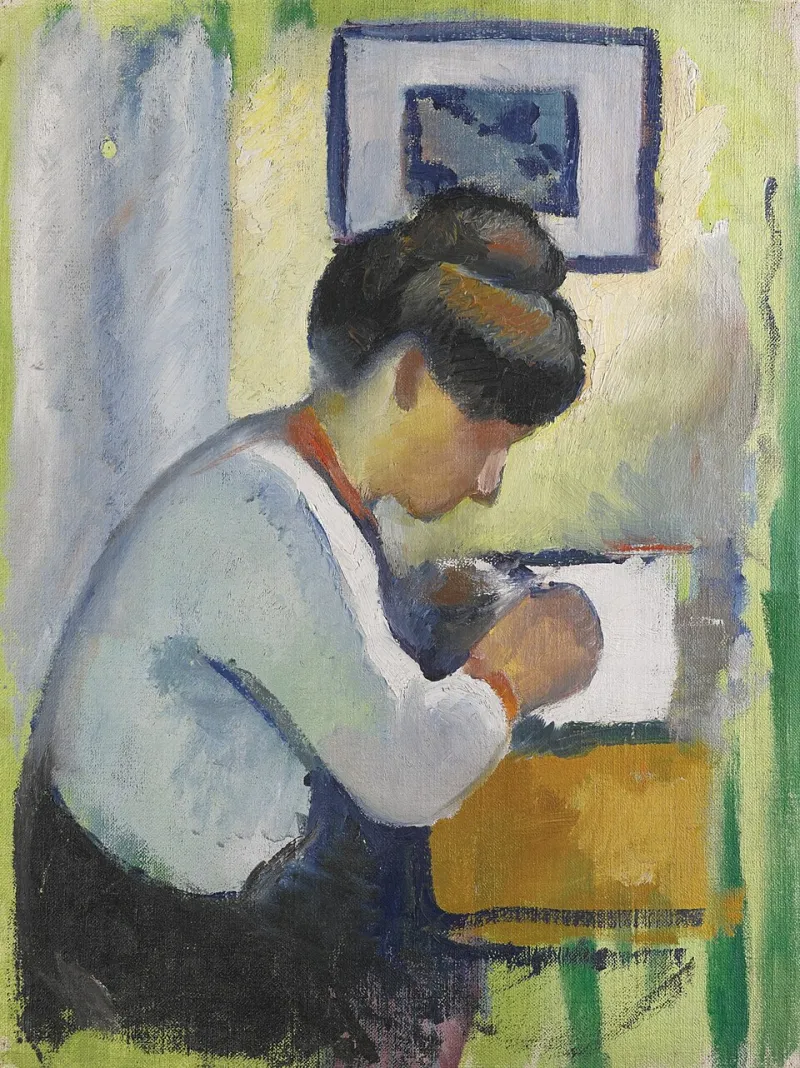
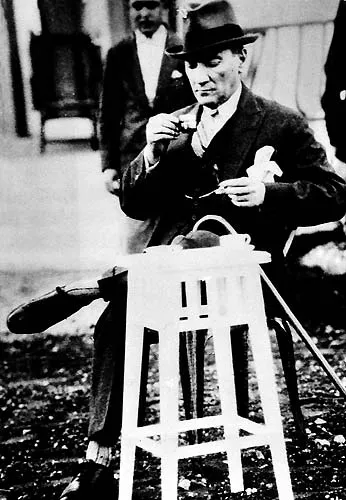
Photo: Shixart1985, CC BY 2.0, via Wikimedia Commons
It's 3:07 p.m. Your eyelids are heavy, your focus has evaporated, and the siren song of the office Keurig is getting louder. So you do what millions of Americans do every afternoon: you grab another coffee and push through.
But here's the question worth sitting with — are you actually tired? Or are you just bored out of your mind?
The Crash That Isn't About Sleep
Yes, circadian rhythms are real. There's a genuine post-lunch dip in alertness, and skimping on sleep makes it worse. But researchers who study attention and motivation have long noted something else: sustained, unvaried tasks drain engagement in a way that has nothing to do with physical fatigue. Your brain is a novelty-seeking machine. Ask it to do the same thing for the sixth consecutive hour and it starts staging protests — sluggishness, fogginess, the irresistible urge to check your phone for the fortieth time.
Caffeine papers over that signal without addressing it. You end up jittery and bored, which is arguably worse.
The fix isn't more stimulant. It's a micro-dose of genuine pleasure or novelty — something small enough to fit between meetings but real enough to reset your attention. Here are eight that cost nothing.
Eight Micro-Rewards for the Mid-Afternoon Wall
1. The two-minute walk, soundtrack edition. Step outside or just loop the hallway with one great song in your ears. Movement plus music is a one-two punch of mood boosters, and two minutes is enough to feel the shift.
2. Text someone you haven't talked to in months. Not a work contact — a person. A quick 'hey, this reminded me of you' delivers a hit of connection that no espresso shot can replicate, and it often makes someone else's afternoon too.
3. Find one interesting thing outside. Seriously — one. A weird cloud, a dog in a jacket, the first hint of fall color. It sounds almost too simple, but deliberately noticing something new snaps your attention system back online.
4. The five-minute desk reset. Clear the clutter, water the sad plant, wipe the screen. A tiny burst of order in your physical space reliably creates a tiny burst of order in your head.
5. Snack with actual ceremony. If you're going to eat something at 3 p.m., do it on purpose. Step away from the screen, actually taste it, make it a moment instead of fueling up mid-scroll.
6. Learn one useless fact. Spend two minutes reading about something with zero professional relevance — how bridges get painted, why cats purr. Curiosity is a natural stimulant, and 'useless' knowledge is a low-stakes joy.
7. The stretch you keep skipping. Roll your shoulders, reach for the ceiling, touch your toes. Your body has been folded into a chair for hours; even sixty seconds of movement changes your mental state.
8. Do one task you've been avoiding — badly. Send the two-line email. Schedule the appointment. The relief of getting a lingering to-do off your mental load is a genuinely underrated pleasure, and it often unlocks momentum for everything else.
Make It a Habit, Not a Hail Mary
The trick with micro-rewards is consistency. Pick one or two and attach them to the slump itself — when the fog rolls in, that's your cue, not a crisis. Over a few weeks, you may notice the 3 p.m. wall losing its grip, because you've stopped treating it as an emergency and started treating it as a scheduled pause.
And keep the coffee if you love it. Just let it be a pleasure instead of a crutch. There's a difference between drinking a latte because it's delicious and drinking one because you're desperately trying to stay awake through a task that's been dead for three hours.
Your afternoons are a third of your workday. They deserve better than to be survived. Hand your brain a little novelty, and it'll hand you your focus back — no fourth cup required.